
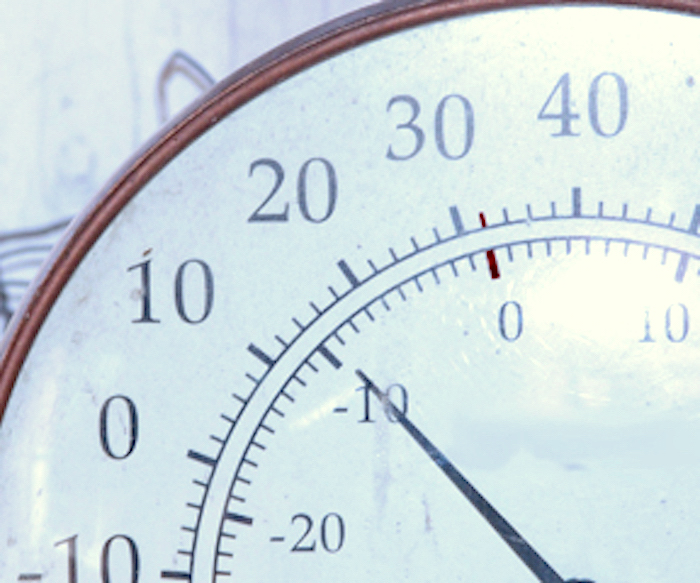
Get Prepared for a Cold Snap or Two

With the Polar Vortex in flux, it’s hard to predict exactly what the weather will look like this January. But it’s sure to be chilly! Add increasing electricity rates to the mix, and a cold snap could lead to high energy bills. So with that in mind, here’s nine prep areas you can get ready for winter weather.
Area 1: Windows
Sealing air leaks keeps the cold, humid air outside and your home at a comfortable temperature. And thankfully, with some weather stripping, a caulk gun, spray foam insulation, and a dream, a draft free home is close at hand.
And the best area to start? Your windows. Silicone caulk and spray foam insulation can seal larger gaps. And if you’re renting or a DIY isn’t an option, then consider new drapes or blinds! Upgrading your blinds to cellular shades can save you 15% on your heating and cooling costs.
Area 2: Doors, Cold Snap at the Threshold
Next up, it’s time to check your doors! Drafts around the door frame can be sealed with silicone caulk or expanding foam insulation. You can seal drafts between the door and frame with weatherproof stripping.
During a cold snap, doors with metal thresholds can be a problem. That’s because metal is very good at conducting heat. And with half of a door’s metal threshold exposed to the outside, you’re sure to lose a lot of heat. In fact, during a cold snap it’s not unusual to see one covered with frost at the bottom of your doorway. The best thing to prevent this is by covering it with a DIY door snake. These can also help block any drafts sneaking in from under the door, too.
Area 3: Chimneys
If you don’t have a fire going in your fireplace, then chimneys can let in a lot of cold air during a cold snap. If you regularly use the fireplace, we recommend having a professional cleaning and inspection once a year to check for cracks. You will want to ensure that your damper is in good working order as well. A stiff wire brush and some WD-40 or rust remover can go a long way. However, if you don’t use a chimney you can seal it quickly with a flueblocker.
Area 4: Plumbing
Areas where plumbing enters and exits your home are a sneaky draft culprit. Thankfully,you can easily seal these with caulking or spray foam insulation. And as a bonus, it will help ensure you avoid freezing pipes!
Area 5: Electrical
Electrical outlets and switches might not seem like a drafty spot. Additionally, they are easy to insulate. Simply cut the power, remove the faceplate, and install a precut foam gasket. Put the plate back on, and now you have a draft free outlet.
Outdoor outlets can also let cold air sneak into your walls. To insulate these, just turn off the breaker, remove the faceplate, unscrew the outlet from the receptacle box. You’ll need to gently pull the outlet from the box but you can leave the connections intact. Check to see if the area where the wires enter the receptacle box has been sealed. If there’s a hole, seal it up with caulk. Wait about five minutes for the caulk to skin over. Then, tuck the outlet back into place and reassemble.
Area 6: Attic
Your attic is likely a draft generating machine. However, you can insulate this too! If you’re really in it to save money, you can bulk up your attic insulation with blown-in cellulose or fiberglass batting. Also remember to add weatherstripping to your attic hatch to keep the cold air out and the hot air in.
Prep Area 7: Baseboards
So now, it’s time to look down. Cold air can seep in through the teeniest cracks in your home, including your baseboards. Pass over any gaps with silicone caulking to seal away the draft, as well as prevent bugs from sneaking in.
Prep Area 8: Foundation, Cold Snap Cracks
Finally, check underneath your feet. Foundation cracks let in cold and damp, and simple cracks are easy to repair. Hairline cracks with no water seeping in can be repaired with grout, while wider ones may take a concrete patch or concrete sealant.
Prep Area 9: Your Wallet
Did you know you can shop for a better electricity rate? A low rate from a reputable provider might not fix drafts, but it will lower your energy bill. Compare providers, read reviews, and find the right plan for you. Visit https://www.paenergyratings.com